
How to Download VPN in China (Working in 2026)


 8 min. read
  Updated on
Learning how to download a VPN in China is crucial if you want reliable access to Google, Gmail, YouTube, WhatsApp, Instagram, and more. The Great Firewall blocks much of the web, so without a VPN, you will feel cut off quickly.
The catch: downloading or even searching for VPNs once you are already in China can be very tricky. The best approach is to prepare ahead, but even if you land unprepared, there are still ways to get connected.
Table of contents
 NOTE
NOTE
Solutions for Downloading a VPN in China
Prepare Before You Travel
The most stress-free way to get a VPN in China is to download and configure it before you step on the plane.
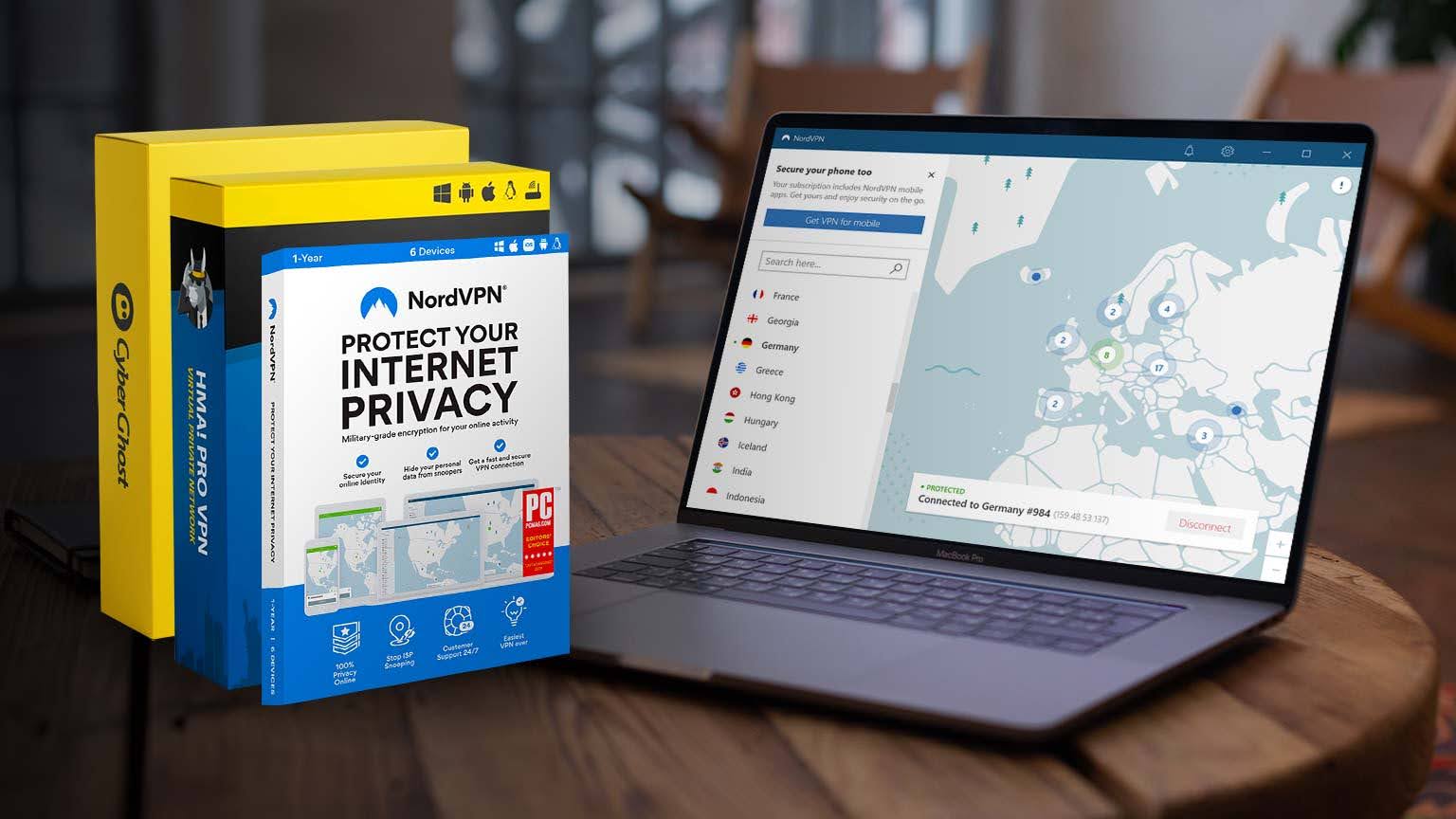
- Pick at least two VPNs. Based on recent user feedback, solid choices include:
- Mullvad – privacy-first, $5 per month, works well if you enable obfuscation.
- Astrill – stable on desktops and routers, but expensive and clunky on mobile.
- NordVPN – popular globally, but in China it often requires manual obfuscation settings. See NordVPN not working in China.
- ExpressVPN – used to be the top pick, but today it connects inconsistently and often requires switching servers multiple times.If you need a full breakdown, check the best VPNs for China.
- Download and install apps on all devices. Do this at home on stable WiFi. Keep installers for Windows or Mac on a USB stick or cloud storage.
- Save configuration files. Many VPNs let you export WireGuard or OpenVPN profiles. Keep copies in Dropbox, Google Drive, or even email them to yourself.
- Test connections before leaving. Connect to Japan, Hong Kong, or US servers and make sure they load the sites you will need.
Use an eSIM With Built-in Bypass
Some travelers avoid VPN headaches by buying an international eSIM that routes traffic through Hong Kong or Singapore. For example, services like 3HK, Airalo, or Roamify often work out of the box for WhatsApp, Gmail, and Google Maps. While they may not be perfect for streaming, they can keep you connected until you configure a VPN. More on this in ways to bypass the firewall without a VPN.
Download From Alternative App Stores
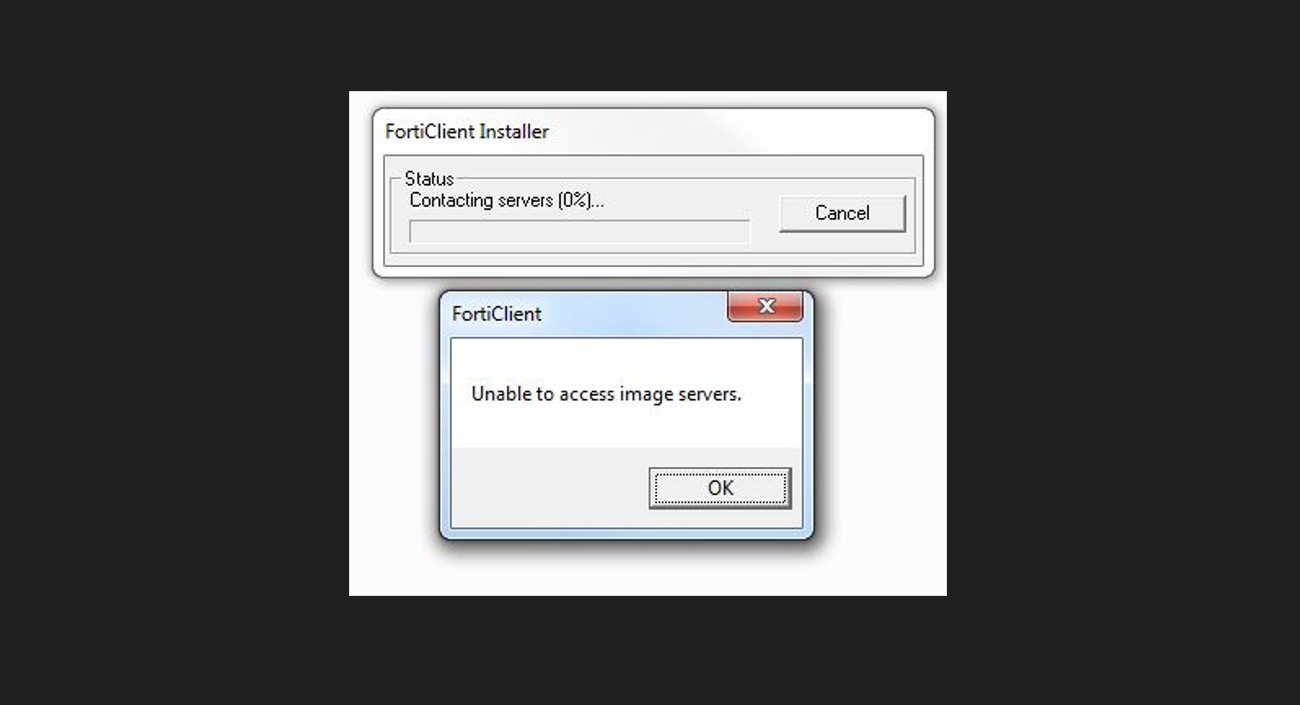
If you arrive in China without preparation, you may struggle with Apple’s App Store or Google Play since many VPN apps are hidden. Alternatives include:
- For iPhone: set your App Store region to the US before traveling.
- For Android: use APKMirror or the VPN provider’s official site (be careful of fakes).
- Some providers, like V1VPN, only send app download links after you subscribe.
Always double-check that you are downloading from the provider’s official page or a trusted APK repository.
Try Shadowsocks or V2Ray
If traditional VPNs fail, many long-term residents in China rely on Shadowsocks or V2Ray. These aren’t standard VPNs, but proxy tools that disguise your internet traffic so it looks less suspicious to the Great Firewall.
They work differently from ExpressVPN or NordVPN because you don’t just download an app and log in. Instead, you need:
- A server that runs Shadowsocks or V2Ray. This can be rented from providers or set up on your own VPS outside of China.
- A client app on your phone or computer, such as Shadowrocket for iOS or Clash/V2Box for Android and Windows.
- A subscription link (often called a “node” or “airport”) provided by the service.
Many locals recommend searching for “机场推荐” (airport recommendation) on Google or Reddit to find reliable providers. These services are often cheaper than commercial VPNs, with prices around a few dollars per month for large amounts of data.
The upside is that they usually work even when mainstream VPNs are blocked. The downside is that setup can be confusing for beginners, and some providers may not be fully transparent about privacy.
If you’re not comfortable setting up servers and protocols, you may want to stick to user-friendly VPNs like NordVPN or ExpressVPN. But if you’re staying in China long term, Shadowsocks and V2Ray give you extra resilience when regular VPNs get targeted by new restrictions.
See how people bypass censorship in China for more background.
Switch Between Servers and Protocols
Even the best VPNs struggle sometimes. If your connection drops:
- Change servers to Hong Kong, Japan, or Singapore.
- Switch protocol to OpenVPN TCP, WireGuard with obfuscation, or custom modes like Astrill’s Stealth or VyprVPN’s Chameleon.
- Restart your app and test again.
Providers like NordVPN also offer NordLynx, but some users report issues on Windows laptops. See details here: NordLynx not working in China.
Set Up Your Own VPN Server
Set Up Your Own VPN Server
If you want more control or an extra backup in China, you can run your own VPN. This means you’ll have a private server that only you use, making it less likely to be blocked. There are two main ways to do it:
Option 1: Rent a VPS and Install VPN Software
This path gives you full ownership, but it takes more technical steps. Here’s the simple version:
- Rent a server abroad — Use a provider like DigitalOcean, Vultr, or AWS. Pick a nearby region like Singapore or Japan for faster speeds.
- Install VPN software — The easiest choice for beginners is WireGuard. Many providers have one-click setup apps, so you don’t need to be a sysadmin.
- Get your config file — After installation, the server will generate a configuration file or key. Download it.
- Install the VPN app on your devices — Use the free WireGuard app for iOS, Android, Windows, or macOS.
- Import and connect — Add your config file into the app, tap connect, and your traffic will now route through your private server.
- Test it — Visit whatismyip.com to make sure your new IP matches the country you selected.
Keep in mind: this setup is best for bypassing blocks and keeping your traffic private, but streaming sites like Netflix often detect and block datacenter IP addresses. If your connection suddenly stops working, you may need to destroy your server and spin up a new one with a fresh IP.
Option 2: Use a Provider That Lets You Run a Personal Server (NordVPN or ExpressVPN)
If you don’t feel comfortable managing a server from scratch, some big names make the process easier:
- NordVPN — With NordVPN, you can use their dedicated IP feature. Instead of sharing an address with thousands of other users, you get a unique IP that reduces the chance of being blocked. It’s simpler to set up than hosting your own VPS, but it comes with an extra monthly cost. Keep in mind that sometimes NordVPN may not work in China, and you might need to switch servers or use their NordLynx protocol if you have issues.
- ExpressVPN — Known for its reliable connections in restrictive regions, ExpressVPNoffers apps that are easy to install and manage on both phones and laptops. The downside is that it can be more expensive than other options, but many travelers find the stability worth the price.
- Set up on a router — Both NordVPN and ExpressVPN support router installations. This means you can configure your home router abroad, then connect to it remotely from China. It’s a great way to always have a working connection without fiddling with manual server setups.
If you want a middle ground, you can combine these approaches: use NordVPN or ExpressVPN as your main option, then keep a personal VPS running in case the apps get blocked. That way you always have a fallback.
Extra Things to Keep in Mind
- Government stance: While personal use is rarely punished, you should be aware of potential risks. See more about punishment for using VPN in China.
- Why the firewall exists: The Great Firewall is not only censorship but also part of China’s cyber sovereignty. Learn more about the benefits of the Great Firewall.
- Always have two options: Travelers often pair LetsVPN with Mullvad or Astrill so one can back up the other.
FAQ
It’s possible but harder. Many VPN websites are blocked, so you may need an eSIM with international routing, an alternate app store, or a direct installer from someone outside China.
For individuals, using a VPN is rarely punished. The government mainly targets sellers and unauthorized providers. Still, you should understand the risks and avoid drawing attention to your usage.
Free VPNs usually get blocked quickly or have heavy data limits. Some people have short-term success with ProtonVPN or Cloudflare Warp, but for anything serious, a paid option is more reliable.


Read our disclosure page to find out how can you help VPNCentral sustain the editorial team Read more


Improve this guide

User forum
0 messages